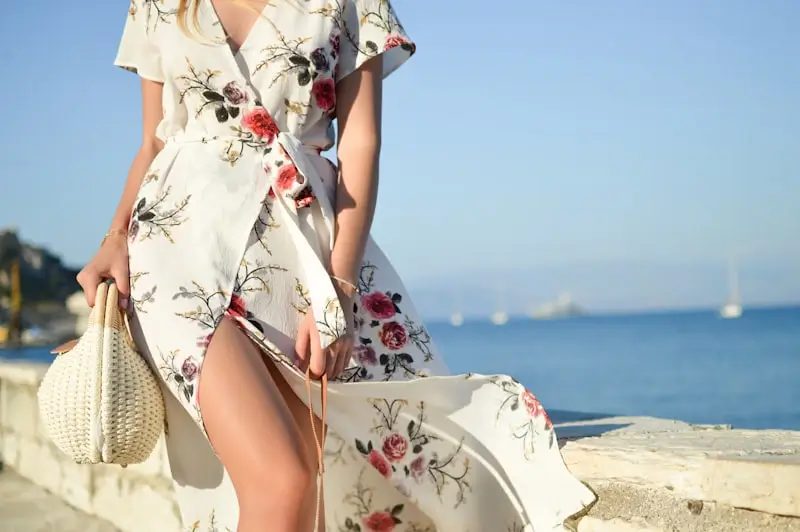
From the iconic black-and-white compositions of Irving Penn to today's Instagram-native imagery, fashion editorial photography has undergone a dramatic transformation.
When I first picked up a camera with the intention of shooting fashion, I spent weeks studying the masters. Richard Avedon's dynamic movement. Helmut Newton's provocative power dynamics. Peter Lindbergh's raw intimacy. Each represented a distinct era in fashion photography, yet all shared something essential: a point of view.
The Golden Age
The mid-20th century established fashion photography as art. Irving Penn's minimalist studio work proved that negative space could be as powerful as the subject. Richard Avedon brought fashion to the streets, quite literally, capturing models in motion against stark white backdrops or urban landscapes.
"Fashion photography doesn't begin and end with clothes. It's about capturing a moment, a feeling, an aspiration." — Richard Avedon
These photographers enjoyed resources modern creatives can only dream of: unlimited film budgets, multi-day studio access, and the patience to wait for perfection. A single Vogue spread might represent weeks of work.
The Digital Revolution
Digital photography democratized the medium while simultaneously raising expectations. Suddenly, photographers could shoot thousands of images in a day, review them instantly, and iterate in real-time. Post-production became an art form unto itself.
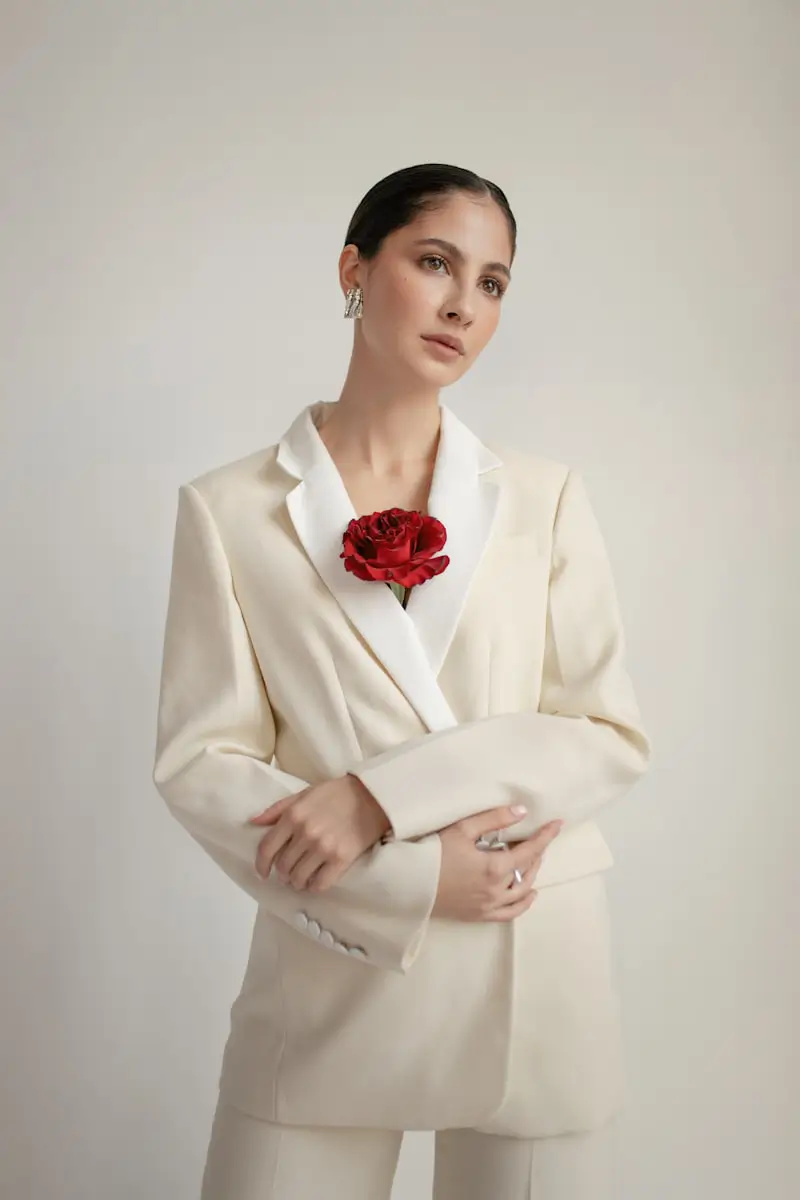
But with this freedom came new pressures. Clients expected more options, faster turnarounds, and increasingly elaborate productions. The intimate photographer-subject dynamic often gave way to committees and creative-by-consensus.
The Instagram Era
Then came social media, and with it, a fundamental shift in how fashion imagery is consumed. The carefully art-directed editorial spread now competes for attention with behind-the-scenes iPhone snapshots and influencer content shot in bedrooms.
Interestingly, this hasn't diminished the value of high-end editorial work—it's clarified it. The best fashion photography today serves a dual purpose: creating timeless images that work in print while generating content optimized for digital platforms.
Looking Forward
As we move deeper into the 2020s, I see fashion photography returning to its roots in some ways while pushing boundaries in others. There's a renewed appreciation for authenticity, for images that feel captured rather than constructed. Yet we're also seeing AI-assisted editing, virtual influencers, and entirely digital fashion shows.
The constant? Great fashion photography still requires vision, technical excellence, and the ability to capture something ineffable—that quality that makes you stop scrolling, turn the page back, or tear an image from a magazine to pin on your wall.
What excites me most is that despite all these changes, the fundamental challenge remains: to create images that are beautiful, meaningful, and true to the vision of the designer, the publication, and the photographer.
Fashion photography isn't dying. It's evolving, as it always has.